
Fence Painters in Henley-on-Thames | Henley-on-Thames Decorators
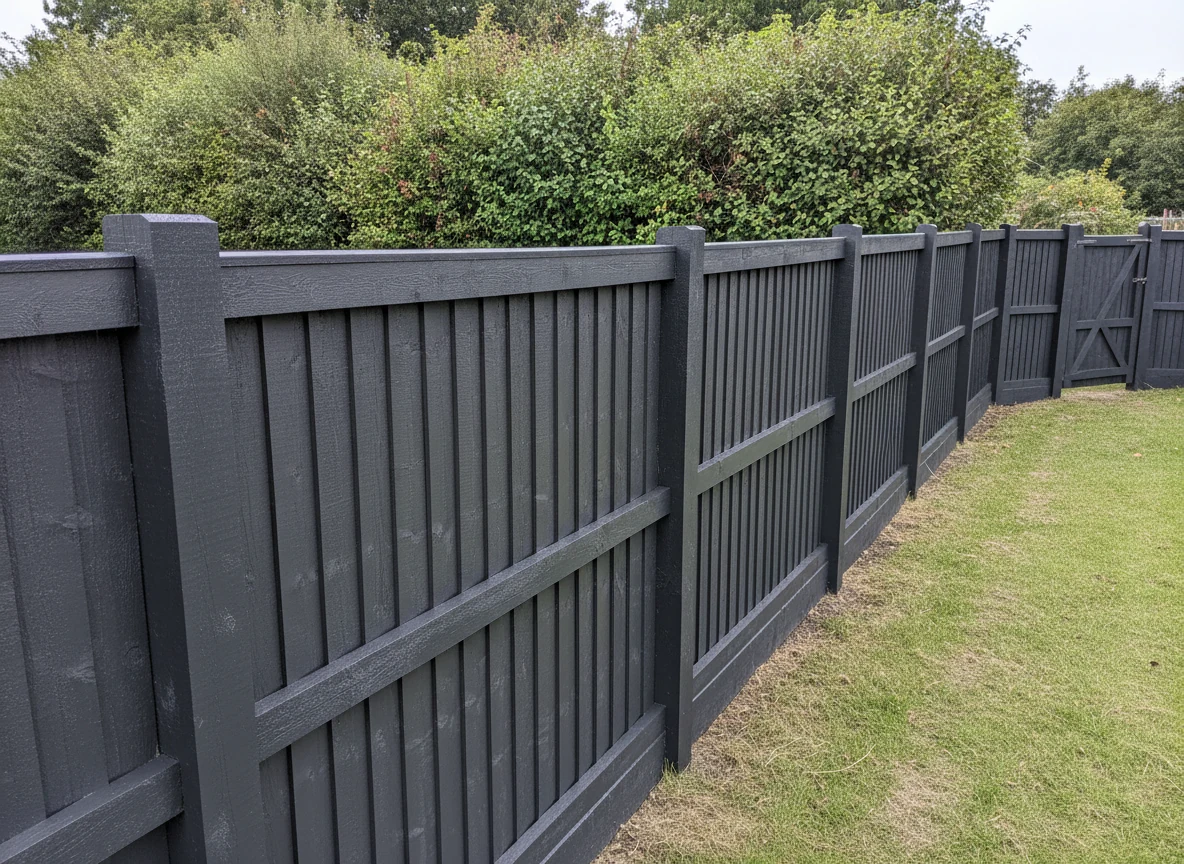
Henley-on-Thames Decorators treat and paint timber fencing across the RG9 catchment, from close-board garden fences in Henley town centre to post-and-rail boundary fencing at rural properties in Nettlebed and Hambleden.
- Close-board and post-and-rail timber fence treatment and painting
- Biocide pre-treatment to remove algae, lichen, and mould before any overcoat
- Breathable fence paint and timber treatment products for shaded rural boundaries
- Exterior painting in Henley-on-Thames scope extended to fencing panels, posts, and rails
Timber fencing on the shaded north and east-facing boundaries common in the Chiltern villages deteriorates faster than most homeowners expect. The damp, wooded microclimate around Nettlebed and Hambleden encourages biological growth. A biocide-first approach is essential before any overcoat on these sites.
Call 01491 529448 for a free quote.
Why Choose Henley-on-Thames Decorators
Rural Boundary Experience
We work on post-and-rail fencing at rural properties across Nettlebed, Hambleden, and the Chiltern lanes. Shaded, long-run boundaries in these locations require a different treatment approach from a town garden fence.
Biocide-First Treatment
Your decorator applies a biocide wash and allows a drying window before any paint or stain overcoat. This removes active algae, lichen, and green mould rather than painting over it.
Clear Pricing
Fixed price from the first quote. No unexpected additions once work starts.
Fully Insured
Full public liability cover on every job across the RG9 catchment.
Fence Painting Services
We work on close-board and post-and-rail timber fencing with the preparation depth that Chiltern boundary conditions require.
Close-Board Fence Treatment in Henley Gardens
Close-board fencing in Henley town gardens typically runs along north or east-facing boundaries. These aspects receive little direct sun through spring and summer. Biological growth, green algae, black mould, and patchy lichen, establishes quickly on shaded boards and posts.
Before any paint or treatment product is applied, a biocide wash must be worked into the surface. We allow a minimum drying window after biocide application before overcoating. Painting over an active biological surface without this step shortens the finish life significantly. Where the fence sits on a sheltered, shaded boundary, we account for the slower drying window in the programme.
Post-and-Rail Fencing at Nettlebed and Hambleden Properties
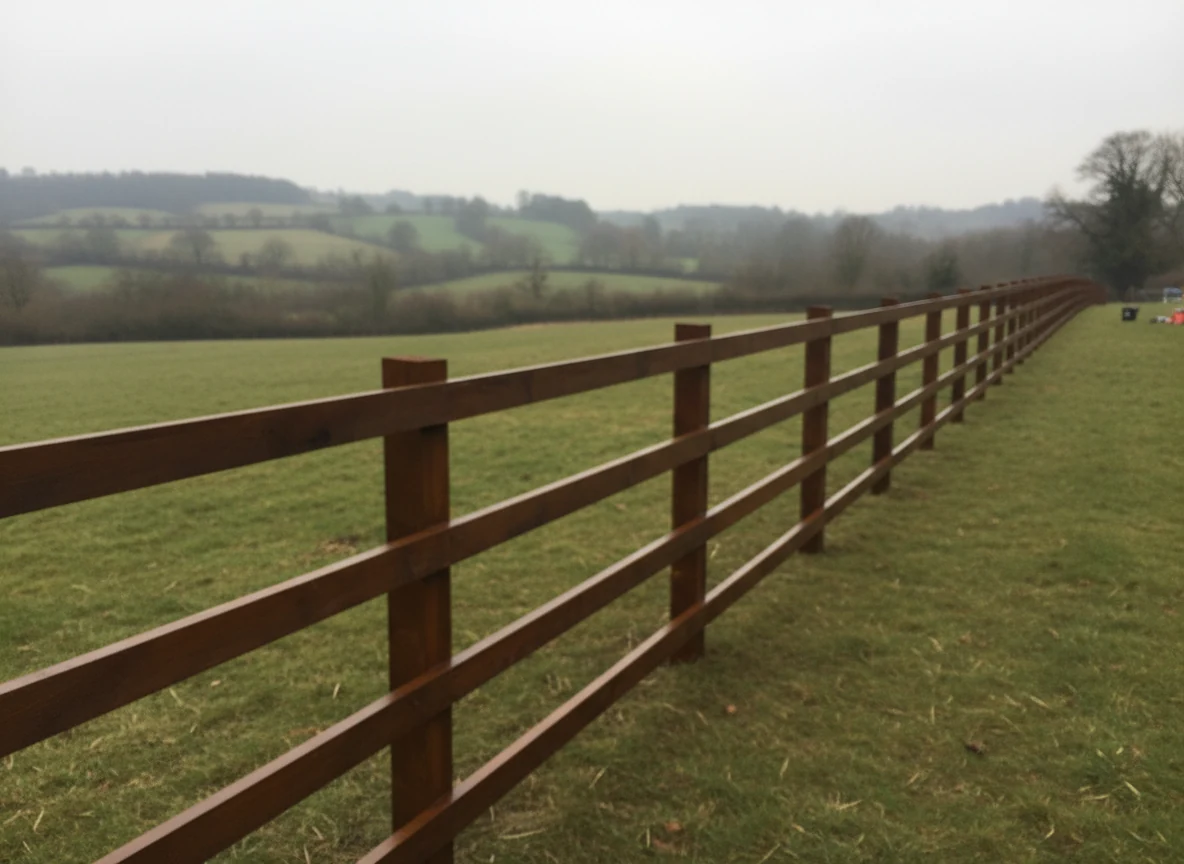
Post-and-rail fencing at rural properties in Nettlebed and Hambleden presents a different challenge from close-board panels. The sections are longer, the posts are often set in open or semi-open ground, and the rails span full field boundaries. Biological growth on these structures often includes heavier lichen patches on post faces and rails closest to tree cover.
Treatment on post-and-rail fencing typically includes a biocide wash, a drying period, and a breathable exterior stain or timber treatment rather than a solid-colour fence paint. Breathable products allow residual moisture in the timber to escape without lifting the finish. For the broader exterior painting in Henley-on-Thames scope, the exterior painting page covers the full programme.
Tannin Bleed on Fresh Timber Fencing
New or recently replaced close-board panels and posts often show tannin bleed within the first season. Tannin is the natural water-soluble compound in softwood that migrates to the surface during wet conditions. It leaves brown staining that can bleed through lighter fence paint colours if not sealed first.
Where sections of a fence have been replaced, common on older runs in Henley gardens where individual panels have failed, your decorator treats the new timber separately before blending it into the wider programme. Tannin sealing is applied before any finish product where the timber is bare and fresh.
Shed and Garden Timber
Fence painting projects often extend to garden sheds and timber outbuildings on the same boundary. Where a gate post or garden shed shares the same boundary run, we can include it within the fence programme.
For dedicated shed painting work, the shed painting page covers scope and pricing separately.
Get My Free Quote
Get a free fence painting quote in Henley-on-Thames
Here’s How It Works
1. Fence condition assessment
Your decorator inspects the existing timber for active biological growth, tannin bleed, rot at post bases, and structural damage. The condition of the existing surface, bare, part-treated, or previously painted, determines the preparation programme.
2. Biocide application
A biocide wash is applied across all panels, posts, and rails. We work the product into recessed panel edges and rail joints where biological growth accumulates. Posts are treated at the base line.
3. Drying window
We allow a minimum drying period after biocide before any paint or treatment overcoat is applied. On shaded Chiltern boundaries with higher moisture levels, we extend this window as conditions require.
4. Timber preparation
Loose paint, failing surface coats, and any areas of softened timber are addressed before the new finish is applied. Fresh replacement sections receive a tannin-sealing primer before the finish coat is applied across the full run.
5. Finish application
Fence paint, timber stain, or breathable treatment is applied by brush or roller depending on the surface texture and product. Posts, rails, and panel faces are finished in the correct sequence.
6. Post-base and arris rail check
We check post bases for ground-contact rot and flag any structural concerns before leaving. Arris rails that have begun to split or sag are noted in the site report if a joiner is needed before the next treatment cycle.
Fence Painting Costs in Henley-on-Thames
Cost ranges below are starting points. Final pricing depends on fence length, substrate condition, and run type. Call 01491 529448 for a precise quote.
A standard close-board fence run in a Henley garden typically costs between £200 and £600 depending on length and preparation requirements. Rural post-and-rail boundary work is priced on linear run and condition.
Fence length and run type
A 15-metre close-board garden fence costs less per linear metre than a 60-metre post-and-rail rural boundary. Longer runs with consistent substrate condition are more efficient to treat and finish than short mixed runs with heavy remedial work at each post.
Biological growth and preparation
Fences on shaded boundaries at Chiltern village properties with active algae and lichen require more preparation time than a fence in good condition. Biocide application and the drying window add to the programme length, and this is reflected in the quote.
Tannin treatment on new sections
Where replacement panels have been fitted into an existing fence run, these sections require separate tannin-sealing treatment before the finish coat. The number of replaced sections affects preparation cost.
Trade insight
Post bases on rural boundary fencing in Nettlebed and Hambleden often carry ground-contact rot on the bottom 100 to 150mm. This does not always require replacement but must be treated and sealed before the main programme. We identify this at the site visit and include the treatment within the quote where feasible.
Call 01491 529448 for a no-obligation site visit and written quotation.
Areas We Serve in Henley-on-Thames
We serve Henley-on-Thames and the surrounding RG9 villages for fence painting.
We cover Henley-on-Thames, Remenham, Sonning Eye, Hambleden, Shiplake, Lower Shiplake, Nettlebed, Stoke Row, and the wider Chiltern catchment. Return to the Henley-on-Thames Decorators homepage to explore all services.
Fence Painting FAQs
Get My Free Quote
Fill in the form below for a free quote: